
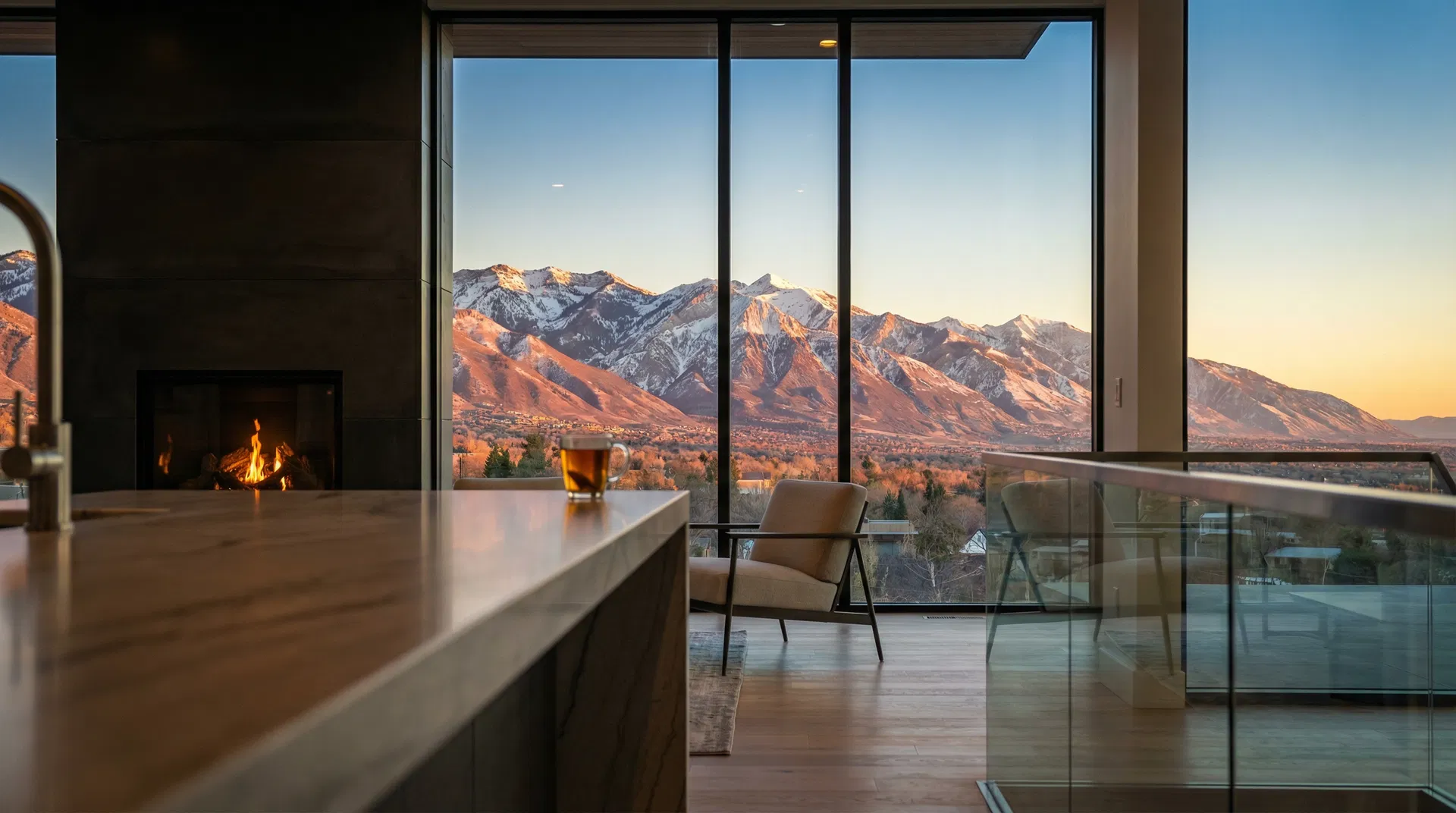
Deer Valley is the resort people picture when they imagine ski luxury done right. It's a skier-only mountain — no snowboards, by design — and it has spent decades earning a reputation for service that most resorts can't touch: groomed corduroy, ski valets, limited daily lift ticket sales, and on-mountain dining that takes itself seriously. That same standard carries over into the real estate. This is, by broad consensus, among the most expensive ski real estate in North America, and the ownership base reflects it — buyers who could own anywhere and choose to own here.
What I love about representing buyers and sellers in Deer Valley is that it isn't one market. A ski-in/ski-out condo in Lower Deer Valley, a slopeside residence in Silver Lake, and a grand mountain estate in Empire Pass are three very different purchases with different ownership experiences, different carrying costs, and different resale dynamics. Getting the neighborhood right matters as much as getting the property right.
And this is a genuinely interesting moment for the resort. The East Village expansion on the Jordanelle side represents a major enlargement of the ski terrain and an entirely new base area — the kind of generational change that reshapes where value sits on a mountain. If you're considering Deer Valley, it's worth understanding before you buy.
The Real Estate
Deer Valley's housing stock runs from lock-and-leave ski condos to estates measured in acres, and each pocket of the resort has its own character:
- Lower Deer Valley sits closest to Park City proper, wrapping around Snow Park at the resort's base. It offers some of the more attainable entry points into the resort — "attainable" being relative in Deer Valley — with condos and townhomes that appeal to buyers who want resort access plus quick proximity to Main Street.
- Silver Lake Village is the mid-mountain heart of the resort: slopeside residences and condos clustered around shops and restaurants, with true ski-in/ski-out access in many projects. It has long been one of the most prestigious addresses on the mountain.
- Upper Deer Valley climbs above Silver Lake with larger homesites, established custom homes, and big views.
- Empire Pass is the high-elevation enclave near the top of the resort — newer construction, dramatic ski access, and some of the most exclusive product in Utah.
- East Village, on the Jordanelle side, is the new frontier: a developing base area tied to the resort's major terrain expansion, with new-construction opportunities that didn't exist a few years ago.
I won't quote prices here because they move, but the honest framing is this: Deer Valley trades at the top of the Utah market, and well-located ski-access property has historically been tightly held.
Location & Access
One of Deer Valley's quiet superpowers is that it's genuinely easy to reach. Salt Lake City International Airport is roughly forty minutes away — a real airport with real direct flights, not a regional strip that shuts down in weather. For second-home owners flying in from the coasts, that door-to-door convenience is a bigger part of the value proposition than most people expect. Many of my out-of-state clients land mid-morning and are on the lifts by lunch.
Within the Park City area, Deer Valley sits just south and east of Old Town, so Main Street's restaurants, galleries, and nightlife are minutes away without being on your doorstep. Lower Deer Valley is the closest to town; Empire Pass and Upper Deer Valley trade a slightly longer drive for elevation and seclusion. The East Village side accesses the resort from the Jordanelle Reservoir corridor off US-40, which puts it on a different approach entirely — closer to Heber Valley, with its own emerging base amenities.
Winter driving here is manageable — roads are well maintained — but higher-elevation properties do see serious snow, which is either a feature or a chore depending on your outlook. Most luxury projects handle snow management for you.
The Lifestyle
The Deer Valley experience is deliberately curated. The skier-only policy keeps the mountain's rhythm calm, grooming is famously immaculate, and the resort caps daily ticket sales, so even peak weeks rarely feel chaotic on the hill. Service is the brand: ski valets, attentive on-mountain dining, and a hospitality culture that consistently ranks the resort at or near the top of North American skier surveys.
Off the snow, the calendar is fuller than people assume. The Sundance Film Festival in January turns the greater Park City area into a global stage — and drives some of the strongest short-term demand of the year for owners who rent. Summer brings hiking and lift-served mountain biking, outdoor concerts on the slopes, and the kind of alpine weather that convinces plenty of "ski buyers" they actually bought a year-round home. In my experience, owners who arrive for the winters end up staying for the summers.
Silver Lake Village functions as a genuine village mid-mountain, and Snow Park at the base continues to evolve alongside the resort's broader expansion plans. It's a lifestyle that manages to be both indulgent and understated — less scene than Aspen, more polished than most.
Buying Here — Ethan's Take
A few things I tell every Deer Valley buyer. First, rental rules are more nuanced than the rumors suggest. Deer Valley restricts nightly rentals less than many people assume, but the rules genuinely vary project by project — some HOAs welcome nightly rentals, others limit or prohibit them. If rental income is part of your plan, we verify the specific HOA's rules before you fall in love with a floor plan, not after.
Second, ski access is not binary. "Ski-in/ski-out" covers everything from skis-on-at-your-door to a short walk and a run-out. The difference matters enormously to daily experience and to resale, and it's exactly the kind of thing you only learn by touring with someone who skis these neighborhoods.
Third, watch East Village. Major terrain expansions don't happen often at resorts of this caliber, and the Jordanelle side is being built out in real time. There's opportunity there — and also the usual caveats that come with buying into a developing base area.
Finally, why Sotheby's matters here: Deer Valley is a global market. My listings through Summit Sotheby's International Realty reach the international buyer network that actually shops at this price point, and on the buy side, the brokerage's relationships surface off-market and pre-market opportunities in a market where the best properties often trade quietly. In tightly held neighborhoods, that access is the whole game.